.webp)








Dark Souls 3 is often remembered for its brutal bosses atmospheric world design and demanding combat system. Many players describe it as difficult punishing or deeply rewarding. Yet focusing only on difficulty misses one of the most important issues hidden inside the game. The true power of Dark Souls 3 is not simply that it kills the player repeatedly. The deeper achievement is that it systematically destroys hope and then forces the player to continue anyway.
Unlike many action RPGs where progress creates confidence Dark Souls 3 slowly creates emotional exhaustion. Every victory feels temporary every kingdom appears dead every hero has failed and even the cycle sustaining the world itself is collapsing. The game constantly communicates that survival may be meaningless yet it still demands persistence from the player. This emotional contradiction becomes one of the defining experiences of the game.
Rather than discussing Dark Souls 3 broadly this article focuses specifically on how the game uses emotional exhaustion hopelessness and psychological decay as active gameplay systems. From level design and enemy placement to lore boss encounters and soundtrack direction Dark Souls 3 creates an atmosphere where the player is not simply challenged mechanically but drained emotionally over time.
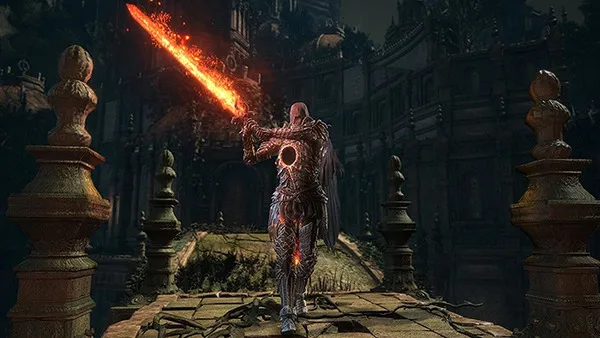
The Opening Hours Establish a World Already Beyond Saving
Most fantasy games begin with a sense of rising adventure. Dark Souls 3 does the opposite almost immediately. The Cemetery of Ash and Firelink Shrine introduce a world that already feels abandoned defeated and spiritually empty.
The player is not entering a living kingdom in crisis. Instead they arrive after civilization has already collapsed repeatedly. Firekeepers speak quietly abandoned thrones sit empty and the sky itself feels exhausted. Even before understanding the lore players sense emotional decay everywhere.
Why the Beginning Feels Emotionally Cold
The opening areas intentionally avoid triumph. There are no cheering NPCs thriving cities or hopeful resistance movements. The environment communicates stagnation and collapse before the first major boss even appears.
Iudex Gundyr represents this idea perfectly. Rather than serving as a glorious gatekeeper he feels like a failed guardian abandoned long ago. His transformation into a corrupted creature immediately establishes the tone of inevitable decay.
Early Emotional Design Elements
- Empty environments
- Minimal NPC interaction
- Quiet soundtrack direction
- Abandoned architecture
- Bosses connected to failure
The game teaches players immediately that this journey will not be heroic in the traditional sense.
High Wall of Lothric Introduces Constant Psychological Pressure
The High Wall of Lothric represents one of the most psychologically effective opening zones in modern gaming. Mechanically the area teaches combat fundamentals but emotionally it introduces constant anxiety.
Enemies are positioned to punish hesitation curiosity and overconfidence simultaneously. The player rarely feels safe because danger emerges from rooftops corners narrow pathways and hidden ambushes.
Why the Area Feels Oppressive
The level design creates emotional instability by denying rhythm. Small victories are interrupted constantly by unexpected threats. Even moments of exploration become stressful because players anticipate traps everywhere.
The environment itself contributes heavily to this pressure. Dragons burn entire sections soldiers appear hollow and broken and distant screams echo through the city.
Sources of Anxiety in High Wall
- Hidden ambushes
- Narrow movement spaces
- Sudden enemy transformations
- Limited healing resources
- Fear of losing accumulated souls
The player begins associating progress with stress rather than empowerment.
Death Stops Feeling Temporary
Most games treat death as a reset mechanic. Dark Souls 3 transforms death into emotional erosion. Early failures often feel educational but repeated deaths gradually become psychologically draining.
The soul recovery system intensifies this effect because every mistake threatens accumulated progress. Even when players understand enemy patterns emotionally they begin fearing repetition itself.
The Emotional Weight of Repetition
Bosses like Vordt or Abyss Watchers may require dozens of attempts for inexperienced players. Over time the emotional challenge shifts away from mechanical difficulty and toward endurance.
Players begin questioning themselves rather than the game. Frustration transforms into self doubt which becomes part of the intended experience.
Psychological Effects of Repeated Failure
- Increased tension during exploration
- Fear of experimentation
- Emotional burnout after long sessions
- Loss of confidence
- Obsession with optimization
Dark Souls 3 uses repetition not only to teach mechanics but to weaken emotional stability.
The NPC Stories Remove Nearly All Optimism
One of the cruelest aspects of Dark Souls 3 is how it handles NPC narratives. Most characters begin with fragile ambitions or personal missions but nearly every storyline ends in tragedy corruption madness or death.
Unlike traditional RPG companions Dark Souls 3 NPCs rarely achieve meaningful success. Their journeys mirror the collapse of the world itself.
Why NPC Tragedies Matter So Much
The player naturally searches for emotional anchors within harsh worlds. NPCs normally provide hope companionship or narrative relief. Dark Souls 3 repeatedly destroys these emotional supports.
Characters like Greirat Siegward Anri and Hawkwood all experience devastating outcomes regardless of player involvement in many cases.
Common NPC Themes
- Failure of purpose
- Corruption through obsession
- Loneliness and isolation
- Cyclical suffering
- Loss of identity
These stories reinforce the idea that perseverance may not lead to salvation.
Irithyll Changes Fear into Isolation
When players first reach Irithyll of the Boreal Valley many initially experience visual awe. The city appears beautiful compared to earlier ruined zones. Yet this beauty quickly transforms into emotional isolation.
Irithyll feels less like a living kingdom and more like a frozen memory. The city is silent elegant and spiritually dead.
The Illusion of Safety
Unlike earlier aggressive environments Irithyll initially creates calmness. However the enemies inside the city behave with terrifying precision and speed.
Pontiff Knights attack relentlessly while hidden dangers emerge constantly from darkness and distant patrols. The player realizes quickly that beauty inside Dark Souls 3 often conceals greater danger.
Emotional Characteristics of Irithyll
- Artificial serenity
- Sudden violence
- Cold environmental tone
- Sense of abandonment
- Increasing loneliness
The game begins replacing survival horror tension with existential emptiness.
The Abyss Watchers Represent the Failure of Heroism
The Abyss Watchers are one of the most important thematic bosses in Dark Souls 3 because they demonstrate how heroism eventually collapses into endless self destruction.
Originally noble warriors dedicated to containing darkness the Watchers now slaughter each other endlessly in corrupted madness.
Why This Boss Changes the Tone of the Game
Earlier bosses feel monstrous or territorial. The Abyss Watchers feel tragic. Their movements retain discipline and skill but their purpose has decayed completely.
The fight communicates one of Dark Souls 3's core messages. Even legendary heroes cannot escape entropy forever.
Themes Represented by the Abyss Watchers
- Corruption of noble ideals
- Endless cyclical violence
- Identity collapse
- Futility of sacrifice
- Self destruction through obsession
The player realizes that greatness itself offers no protection from decay.
The World Design Creates Emotional Fatigue
Dark Souls 3 structures its environments carefully to create long term psychological exhaustion. Areas rarely provide sustained relief.
Even after major victories players immediately encounter new horrors deeper corruption and increasingly oppressive landscapes.
Escalation Without Comfort
Games often balance tension with relaxation. Dark Souls 3 intentionally limits emotional recovery. Zones like the Catacombs Irithyll Dungeon and Profaned Capital intensify despair continuously.
The result is cumulative fatigue. Players are not simply challenged by individual areas but worn down gradually across the entire game.
Techniques Used to Sustain Exhaustion
- Sparse checkpoints
- Constant environmental hostility
- Limited safe spaces
- Disturbing enemy designs
- Oppressive sound design
The emotional pacing resembles a slow psychological collapse.
Slave Knight Gael Becomes the Final Symbol of Desperation
The Ringed City DLC reaches the emotional climax of Dark Souls 3 through Slave Knight Gael. Unlike many final bosses Gael does not seek domination conquest or immortality.
Instead he represents desperation stretched across eternity. He fights because nothing else remains.
Why Gael Feels So Different
Gael's battle is emotionally devastating because both combatants appear exhausted beyond meaning. The world around them has already ended.
Ash storms consume civilization while the final fragments of existence decay into emptiness. The fight feels less like triumph and more like the final movement of a dying universe.
Emotional Themes in the Gael Fight
- Endless suffering
- Persistence without hope
- Decay of purpose
- Loneliness at the end of time
- Violence as final communication
Gael embodies Dark Souls 3's ultimate vision of emotional exhaustion.
The Music Reinforces Emotional Collapse
Dark Souls 3 uses music differently from many fantasy games. Instead of celebrating heroism most boss themes emphasize tragedy chaos or inevitability.
Orchestral arrangements swell dramatically yet often sound mournful rather than victorious.
Why the Soundtrack Feels Heavy
Boss music frequently communicates emotional suffering more than danger. The Soul of Cinder theme eventually transitions into musical references connected to Gwyn from the original Dark Souls creating profound emotional nostalgia.
This moment reminds players that the cycle has repeated endlessly across ages.
Musical Characteristics of Dark Souls 3
- Choir driven despair
- Melancholic orchestration
- Sudden emotional escalation
- Themes connected to collapse
- Nostalgic callbacks to lost eras
The soundtrack transforms battles into emotional funerals rather than heroic victories.
The Endings Refuse Traditional Resolution
Most RPGs reward perseverance with restoration victory or hopeful endings. Dark Souls 3 intentionally avoids clear resolution regardless of player choice.
Linking the fire feels weak and temporary. Letting the fire fade creates uncertainty. Other endings suggest manipulation or incomplete transformation.
Why the Endings Feel Empty
The game refuses to provide emotional closure because closure would contradict its themes. The world has decayed beyond easy salvation.
Even success feels fragile temporary and morally uncertain.
Emotional Effects of the Endings
- Lack of triumph
- Philosophical ambiguity
- Emotional emptiness
- Acceptance of decay
- Reflection instead of celebration
Players finish the game feeling thoughtful exhausted and strangely melancholic rather than victorious.
Players Eventually Accept Hopelessness
One of the most fascinating psychological transformations in Dark Souls 3 occurs when players stop expecting hope entirely.
Instead of seeking happiness or restoration players begin valuing endurance itself. Survival becomes meaningful despite the absence of optimism.
The Shift from Victory to Persistence
By the final hours players understand that Dark Souls 3 is not about saving the world. It is about continuing despite overwhelming emotional decay.
This changes the emotional relationship between player and game completely.
Lessons Players Internalize
- Persistence matters without guarantees
- Failure does not erase meaning
- Endurance can replace hope
- Beauty can exist inside decay
- Emotional struggle creates attachment
Dark Souls 3 succeeds because it transforms suffering into emotional investment.
Conclusion
Dark Souls 3 is not merely a difficult action RPG filled with dangerous enemies and punishing bosses. Its deeper achievement lies in how it systematically exhausts the player emotionally while still encouraging persistence. Through environmental storytelling tragic NPC arcs oppressive world design repetitive failure and emotionally devastating boss encounters the game creates a unique atmosphere of hopeless endurance.
Every major system inside the game contributes to psychological erosion. Areas deny comfort NPCs fail repeatedly bosses symbolize corrupted ideals and even the endings reject clean resolution. The player slowly realizes that the world cannot truly be saved in any traditional sense.
Yet Dark Souls 3 never becomes meaningless because the act of continuing itself gains emotional significance. Players persist not because victory is guaranteed but because perseverance becomes its own form of purpose. That emotional transformation is the true masterpiece of Dark Souls 3 and the reason the game continues affecting players long after completion.