
Introduction
If you’ve played Thank Goodness You're Here!, you already know that puzzles can feel chaotic, confusing, and sometimes completely unpredictable. This is intentional. The game challenges not just your logic, but your ability to observe, adapt, and react.
This guide focuses on one clear objective: how to solve puzzles efficiently using a structured step-by-step approach. Instead of guessing randomly, you will learn a repeatable method that works across most puzzles in the game.
By following this process, you can reduce frustration, save time, and enjoy the game’s design more fully.
1. Identify the Puzzle Area
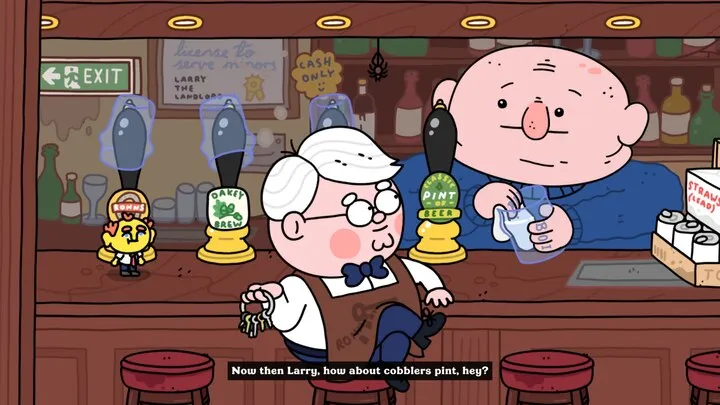
Step 1: Define the Space
Before doing anything, understand where the puzzle exists.
What to Do
- Look for interactive objects
- Identify NPCs involved
- Observe boundaries
- Note unusual elements
2. Observe Before Acting
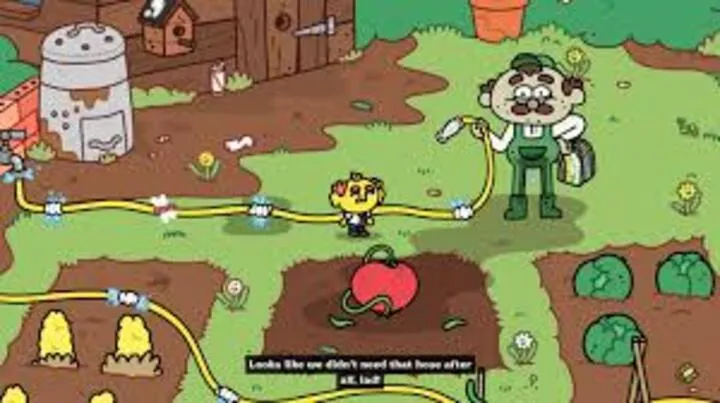
Step 2: Watch First
Do not interact immediately. Observation reveals patterns.
Observation Checklist
- NPC behavior
- Animation loops
- Sound cues
- Object movement
3. Test Basic Interactions
Step 3: Try Everything
Start with simple interactions to understand responses.
Actions to Try
- Press interaction button
- Repeat actions
- Interact with multiple objects
- Trigger reactions

4. Identify Trigger Conditions
Step 4: Find What Activates Progress
Every puzzle has triggers.
How to Detect Triggers
- Changes in environment
- NPC reactions
- Sound differences
- Visual feedback
5. Time Your Actions Correctly
Step 5: Execute at the Right Moment
Timing is often the key.
Timing Strategy
- Wait for cycles
- Act during peak animation
- Avoid random timing
- Repeat if needed
6. Combine Multiple Actions
Step 6: Link Interactions
Some puzzles require multiple steps.
Combination Tips
- Perform actions in sequence
- Test different orders
- Watch results carefully
- Adjust timing
7. Reset and Retry Smartly
Step 7: Learn from Failure
Failure provides information.
Retry Strategy
- Change timing
- Try new combinations
- Reobserve environment
- Avoid repeating mistakes
8. Use Audio and Visual Feedback
Step 8: Follow the Signals
The game gives feedback constantly.
Feedback Indicators
- Sound changes
- Character reactions
- Movement shifts
- Visual cues
9. Confirm Progress and Move On
Step 9: Recognize Completion
Know when the puzzle is solved.
Signs of Completion
- New area opens
- NPC dialogue changes
- Environment resets
- Progression triggers
10. Apply the Method to All Puzzles
Step 10: Build Consistency
This method works across the game.
Long-Term Strategy
- Repeat the process
- Improve observation
- Reduce trial time
- Gain confidence
Conclusion
Learning how to solve puzzles efficiently in Thank Goodness You're Here! is not about memorizing solutions—it’s about mastering a process. By observing carefully, testing interactions, and executing actions with proper timing, you can approach every puzzle with confidence and clarity.